How to finance a greenhouse without strangling year one
A first greenhouse can succeed without crushing debt if you phase capital spending and keep enough working capital to survive the slow revenue ramp.
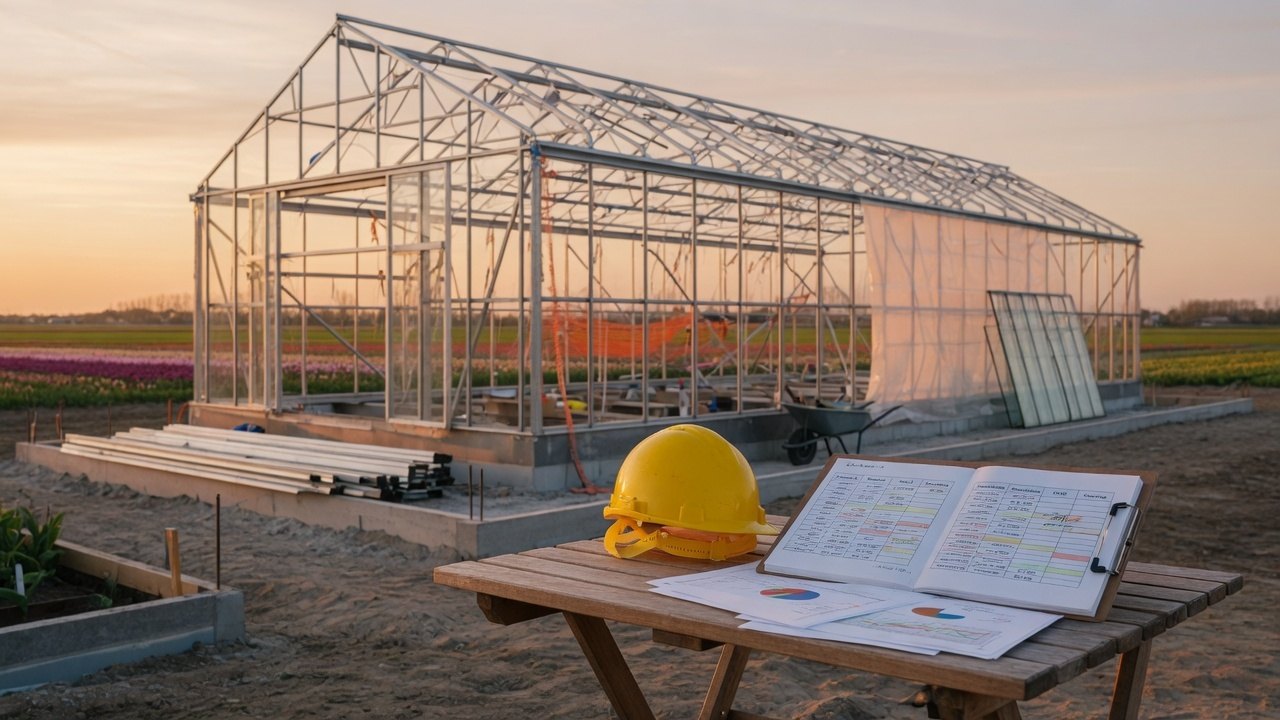
You have secured the land, the basic structure, and the first batch of plants. But the real test begins after the first planting. Many new greenhouse owners underestimate the cash gap between initial investment and first meaningful revenue. If you finance that gap with short-term debt or spend all your capital on shiny infrastructure, you risk strangling year one before it even bears fruit. Here is how to build a business case that keeps your greenhouse profitable from day one.
Phase your capex, do not buy everything at once
The temptation is to build a perfect facility from the start. But a greenhouse is a production tool, not a monument. Start with the essential growing area, irrigation, and basic climate control. Leave expansion, automated sorting, and fancy packaging for later, when revenue proves the model.
- Prioritize structure and water. Invest in a durable frame, good covering, and a reliable drip irrigation system. These are non-negotiable for consistent hydrangea quality.
- Delay automation. Computer vision sorters like the IRISS system from 4MT are powerful, but they can wait until year two or three. Manual grading is acceptable for the first few harvests.
- Rent or lease where possible. For equipment like forklifts or cooling units, leasing preserves cash. Buy only what directly generates yield in the first 12 months.
- Plan a second phase. Set aside 15-20 percent of your total budget for upgrades after the first full cycle. That way you invest proven profits, not borrowed hopes.
Keep enough working capital for the long ramp
Hydrangeas for cutting take 12 to 18 months from planting to first commercial harvest. During that time, you have to pay for water, fertilizer, labor, electricity, and loan installments. Many growers run out of cash before the first flower is cut.
- Calculate the ramp period conservatively. Assume 18 months with zero revenue. Even if you sell some stems earlier, treat that as bonus, not core cash flow.
- Maintain a cash reserve of at least 6 months of operating expenses. This covers unexpected frost, pest outbreaks, or price dips. Without it, one bad week can force emergency borrowing.
- Use a conservative price scenario. Do not base your budget on peak market prices. Use the average price from the last three years, minus 10 percent. If the numbers still work, you have a robust plan.
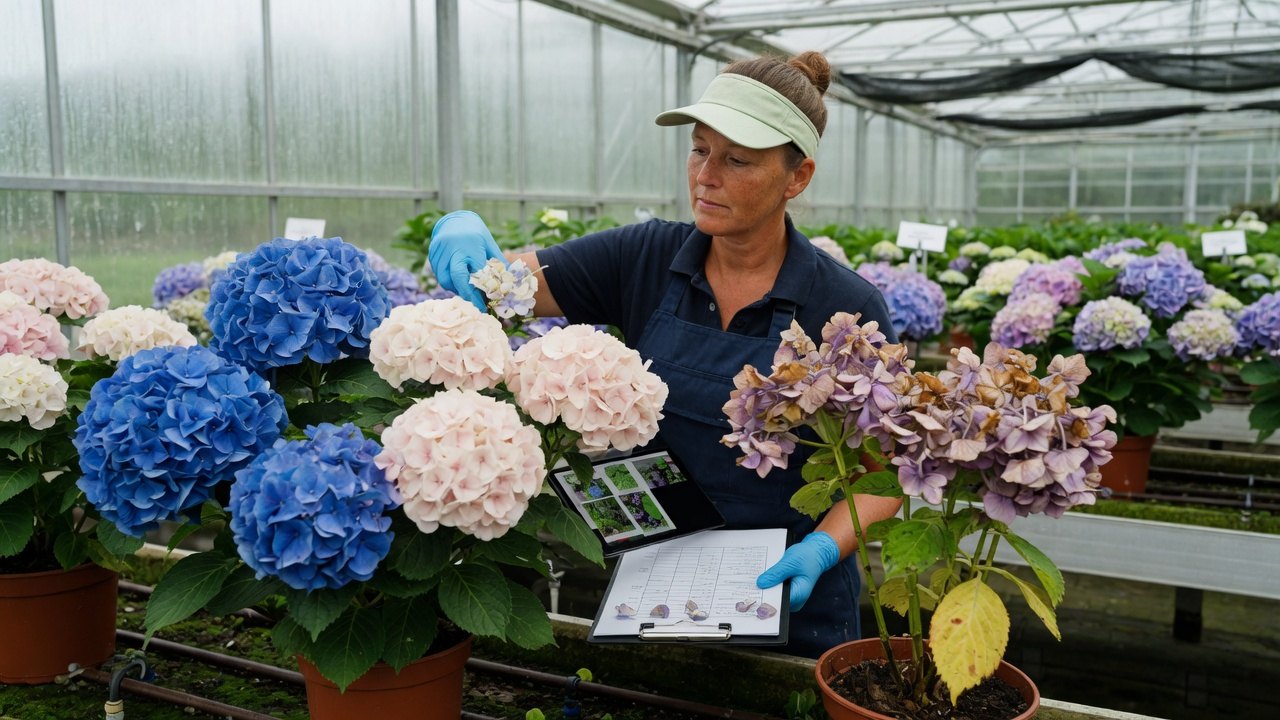
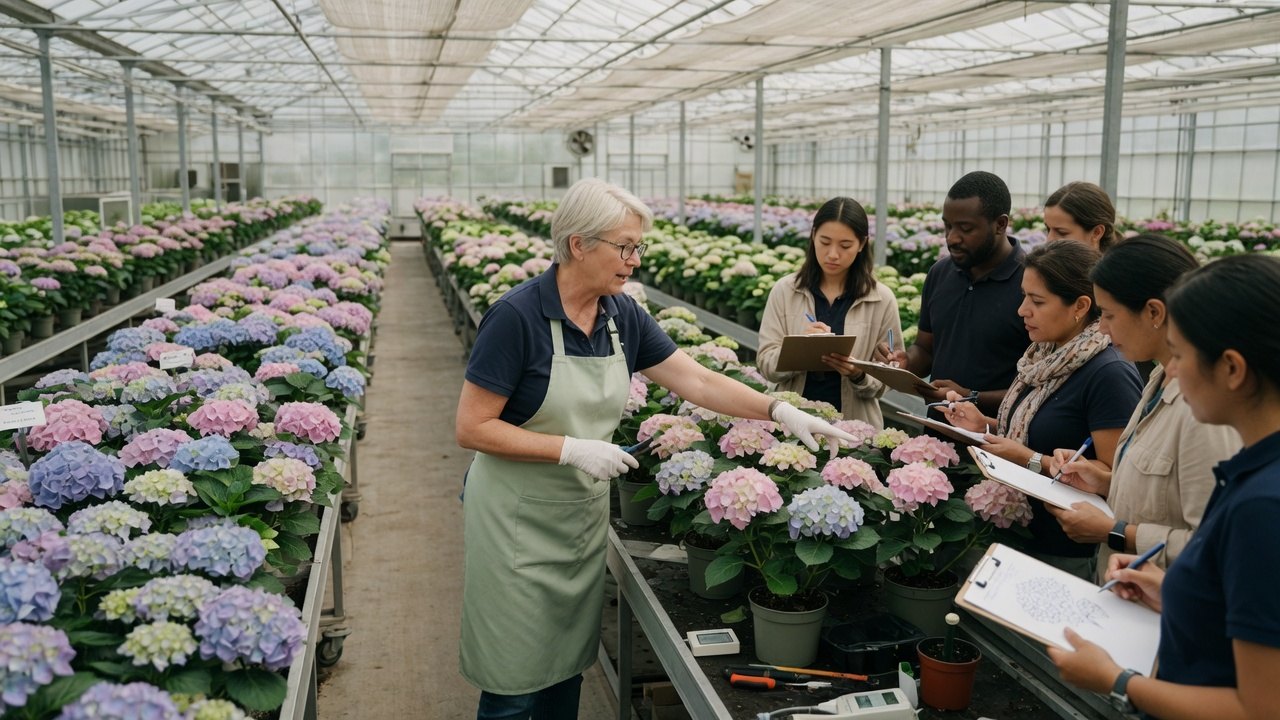
- Monitor the 80 percent trap. We see that 80 percent of flower growers lose profit due to weak flowering, watering errors, or incorrect cutting and storage. These are controllable, but they require training. Invest in knowledge upfront, like our Growing Hydrangeas for Cutting course, to avoid costly mistakes.
“We started spending less and earning more,” says Abdulla Khadziev, GM of the Kantyshevsky greenhouse complex, after applying disciplined cashflow management and proper cultivation techniques.
Avoid debt that chokes year one
Debt is not evil. But the wrong debt structure can suffocate your first year. Avoid short-term loans for long-term assets. Do not use credit cards for operating expenses. And never borrow against future harvests that have not yet rooted.
- Match loan terms to asset life. A 10-year loan for the greenhouse structure is fine. A 2-year loan for the same structure will crush your monthly cash flow. Extend repayment as far as possible.
- Seek grants or soft loans. Many agricultural development programs offer subsidized financing for first-time greenhouse projects. Research local options before signing commercial terms.
- Keep personal guarantees minimal. If the business fails, you want to walk away without personal bankruptcy. Structure the debt so the greenhouse itself is collateral, not your home.
- Build a buffer for interest rate hikes. If you take variable-rate debt, stress-test your cashflow at 3 percent higher interest. If it still works, you are safe.
Build the discipline before you build the greenhouse
The best time to fix cashflow problems is before you break ground. That means writing a proper business case, not a back-of-the-envelope dream. Include realistic yields, phased investments, and a conservative price forecast. Our business case template guides you through every assumption. And if you want to master the cultivation side, the flagship course with Ard van Klaveren gives you the technical edge to turn your greenhouse into a predictable profit machine.
Start with the numbers. Build with discipline. And let the first harvest pay for the second. That is how you finance a greenhouse without strangling year one.
Put this into practice
The flagship program turns thinking like this into a season-by-season system.
Explore the program