What healthy planting material actually looks like (and why it decides your season)
Your season is largely decided before the first cutting goes in. The quality of your starting material is the cheapest expensive decision you will make.
Growers obsess over what happens in the greenhouse and underprice what happens before it. But uneven, weak or compromised planting material sets a ceiling on your whole season that no amount of in-season skill can lift.
What good actually looks like
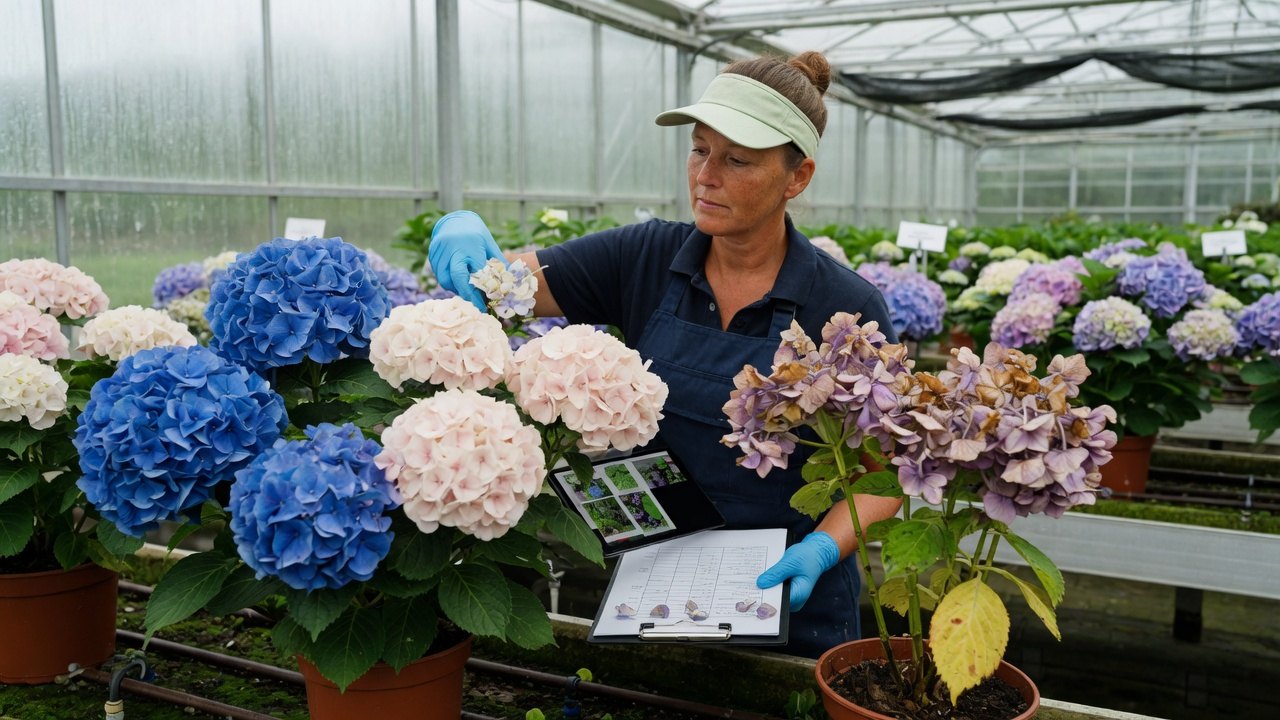
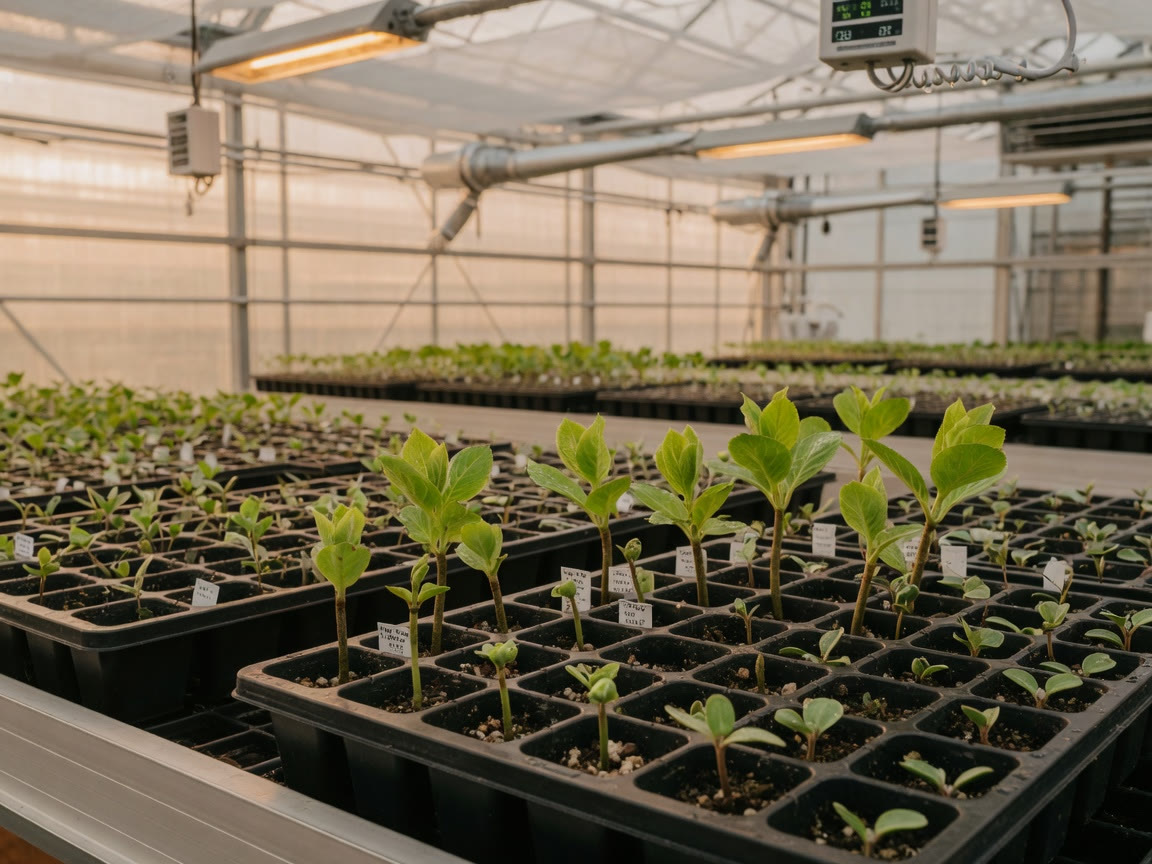
Healthy starting material is boringly consistent: vigorous, uniform root systems, clean of pathogens, and true to type. The danger is not the obviously bad batch, you reject that. It is the slightly uneven batch that looks acceptable and quietly costs you uniformity at harvest.
- Root systems that are white, dense and even across the batch.
- Uniformity, because uneven starts become uneven blocks become rejected stems.
- Clean health status, since a viral or fungal problem in starting material is a problem you import on day one.
The cheapest planting material is almost never the cheapest decision once you count mortality and lost uniformity.
Why the Dutch supply chain matters
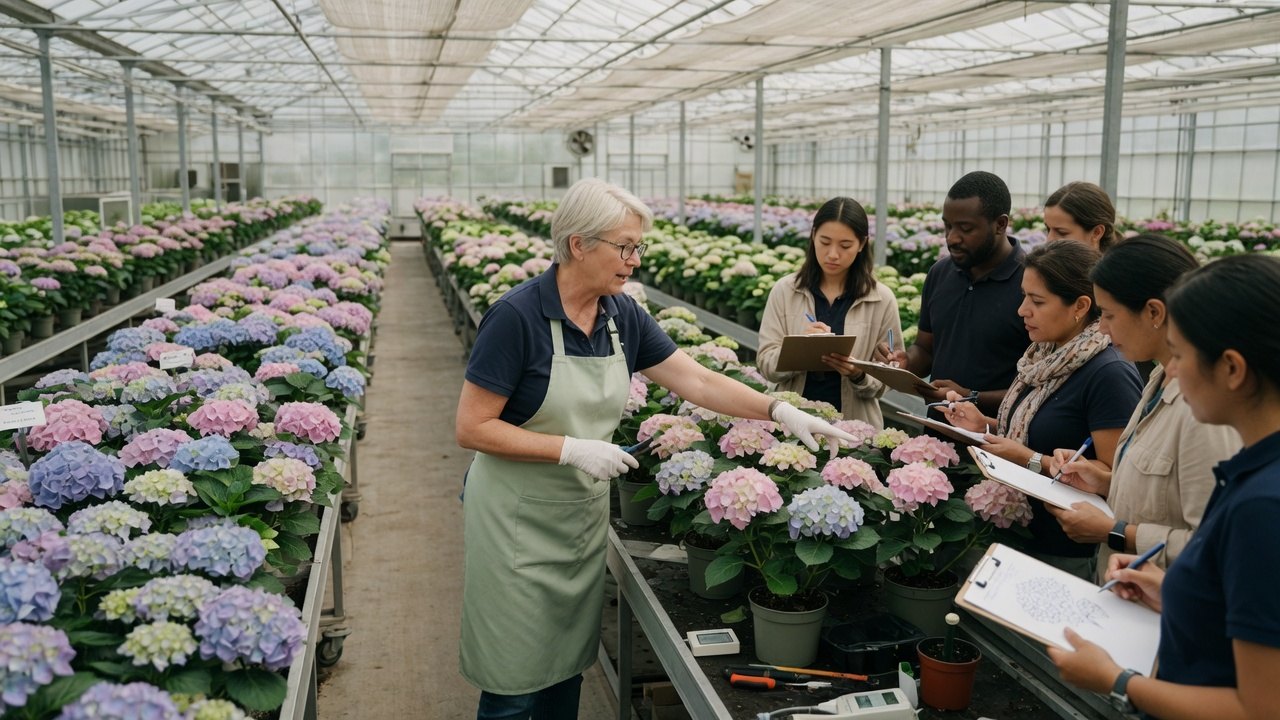
The reason Dutch knowledge is valuable here is the same reason the Netherlands is an agricultural export power: the standards in breeding and propagation are unusually high. Partners like Van Klaveren (which breeds its own cultivars) and Henselmans (60+ years of strawberry plant material) sit at the start of Europe's supply chains. Learning what they check, before they approve a batch, is a skill you can apply to any supplier.
Propagation and planting-material quality is built into the flagship program. Five questions to ask any nursery before you buy is one of the toolkit downloads on the growers page.
Put this into practice
The flagship program turns thinking like this into a season-by-season system.
Explore the program