Will Dutch greenhouse methods actually work in my climate?
The most common objection to Dutch agricultural training is also the most important one to answer honestly: does it survive contact with local conditions?
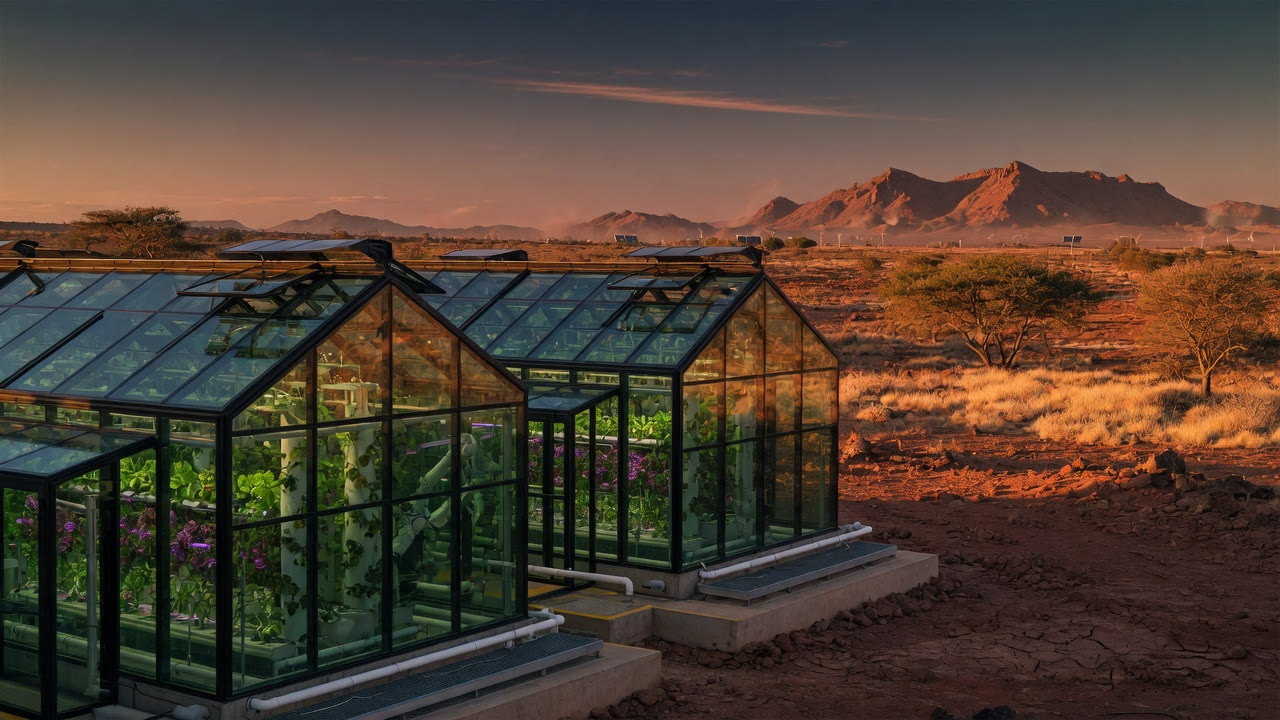
It is a fair question, and the honest answer is: only if it is taught as logic, not as a recipe. Copying a Dutch greenhouse setup into a different climate, water profile and labor market is how good knowledge gets a bad reputation.
Principles travel. Settings do not.
What transfers is the why: why a plant flowers when it does, why the root zone behaves the way it does, why a postharvest step protects value. Once you understand the principle, you adapt the settings to your reality, your water pH, your temperature swings, your available inputs.
- Frost and heat extremes change your calendar, not your fundamentals.
- Local water chemistry changes your fertigation targets, not the logic of fertigation.
- Lower-tech setups can still apply the same decision framework with simpler tools.
The value is not copying the Netherlands blindly. It is understanding the plant and business logic well enough to adapt it locally.
Proven from Krasnodar to Central Asia
Our growers run these systems in conditions that look nothing like a Dutch glasshouse. The framework holds because it was taught as understanding, not imitation. That is also why we work in four languages and build localized examples into the programs.
See how the programs are structured for adaptation on the programs page, or read about the experts who teach them.
Put this into practice
The flagship program turns thinking like this into a season-by-season system.
Explore the program